Top 10 Welcome Messages: AI Chatbot for Website
Discover the top 10 welcome messages to optimize your AI Chatbot for your website conversions. Learn proven psychology, A/B testing, and engagement strategies.
12 Mar 2026•5 min read

Software Engineer
Why Your AI Chatbot for your Website Needs a Strong Hook
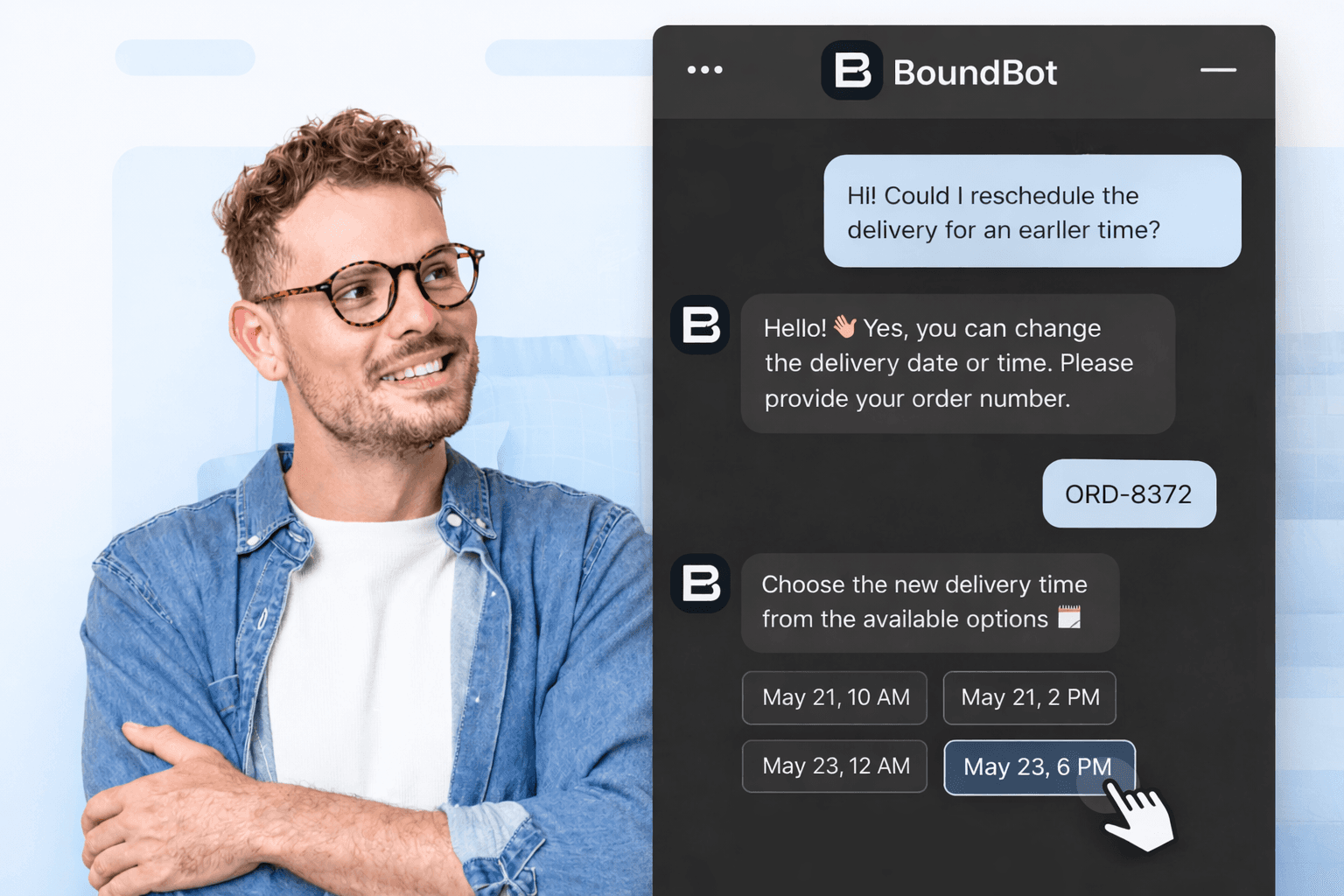
The digital world is changing fast, and an AI chatbot for your website has become the new front door to your business. People no longer type rigid keywords into search bars. They expect fluid, natural dialogue and instant answers. People no longer type rigid keywords into search bars. They expect fluid, natural dialogue. Your chat interface acts as the front door to your business. If the first message fails, the user leaves.
A generic greeting forces the user to do the hard work. This spikes bounce rates and hurts revenue. Conversely, a highly optimized welcome message anticipates needs. It removes friction and guides the user smoothly. Designing these greetings requires behavioral psychology, linguistic engineering, and rigorous testing. Our team has helped countless brands refine these touchpoints, proving that a smart greeting is your best sales asset.
The Psychology Behind Conversational Engagement
Effective chatbot greetings manage cognitive load. They also build immediate trust. Humans respond to computers using the same social rules they use with people. When an automated system is polite and clear, users mirror that behavior.
Pros and Cons of Human-Like Bots (Anthropomorphism):
- Pros: Increases character likability. Builds faster emotional connections with the user.
- Cons: Deceiving users damages brand trust. It creates unrealistic expectations about the system’s capabilities.
The best approach is complete transparency. State clearly that the bot is artificial. At the same time, project warmth and define exact capabilities. This sets safe operational boundaries and prevents user frustration.
10 Contextual Welcome Messages for Your Industry
Context dictates your strategy. A healthcare patient needs a fundamentally different greeting than a software buyer. Here are ten industry-specific frameworks to improve your conversion rate optimization strategies.
1. E-Commerce and Retail
Retail bots must act like proactive sales associates. They identify buyers and rescue abandoned sessions.
- The Message: "Welcome back, [Name]! I saw you looking at running shoes earlier. Ready to see new arrivals, or need a specific size?"
- Why it works: It uses behavioral recognition. Acknowledging past browsing history reduces friction and drives immediate product discovery.
2. Software as a Service (SaaS)
SaaS buyers evaluate complex features. The system must route them quickly.
- The Message: "Hi! Are you comparing subscription plans, or do you need technical support? Select an option below."
- Why it works: It forces self-segmentation. This prevents existing users from getting stuck in marketing funnels while fast-tracking new buyers.
3. Professional Services
Consultants sell expertise and trust. The tone must remain professional and discreet.
- The Message: "Welcome. Are you here to explore consulting solutions, read case studies, or book a private consultation?"
- Why it works: It exudes competence. Offering case studies appeals to analytical buyers who need empirical proof before booking a call.
4. Healthcare and Medical
Medical interfaces require strict privacy and deep empathy.
- The Message: "Hello. I can help you find a provider or schedule a visit. For your privacy, please do not share medical details here. How can I help?"
- Why it works: It sets rigid safety boundaries immediately. It also provides clear administrative options to reduce patient anxiety.
5. Real Estate
Property buyers move fast. Speed is critical to prevent lead decay.
- The Message: "Hi! Looking to buy, sell, or rent? Tell me your ideal neighborhood, and I will pull active listings right now."
- Why it works: It promises dynamic, real-time data. It categorizes intent instantly to capture high-value property leads.
6. Higher Education
Students expect fast, asynchronous communication.
- The Message: "Welcome! 🎓 Are you a prospective student exploring degrees, or a current student checking deadlines? Let's get started."
- Why it works: It organizes a massive website architecture. Users self-select into the right informational silo without feeling overwhelmed.
7. Restaurants and Hospitality
Hungry customers want speed. You must eliminate small talk.
- The Message: "Hi! I can help you place a pickup order or book a table. What are you craving today?"
- Why it works: It prioritizes transactional efficiency. The final question subtly triggers appetite while maintaining a hospitable tone.
8. Fitness and Wellness
Gyms thrive on community. Avoid rigid metric tracking that causes shame.
- The Message: "Welcome to [Gym]! We are thrilled to have you. Need to check the class schedule or book a trainer?"
- Why it works: It fosters belonging. It neutralizes newcomer anxiety by focusing on logistical convenience rather than intense fitness goals.
9. Marketing Agencies
Agencies need to filter unqualified traffic fast.
- The Message: "Hello! We scale brands through data. Want to view case studies, check pricing, or get a free SEO audit?"
- Why it works: It offers a high-value lead magnet. This triggers reciprocity and captures contact details effortlessly.
10. Non-Profits and Charities
Charities operate on moral alignment and empathy.
- The Message: "Welcome, and thank you. Your actions protect wildlife. Want to explore volunteer roles or make a secure donation?"
- Why it works: It validates the user’s intrinsic motivation. It clearly separates volunteering from financial support.
How to Test and Optimize Your Chatbot Greetings
Pro Tip: Do not rely on guesswork. Implementing an effective greeting requires a strict data-science approach. You should regularly test your prompts using advanced customer service automation tools to ensure alignment.
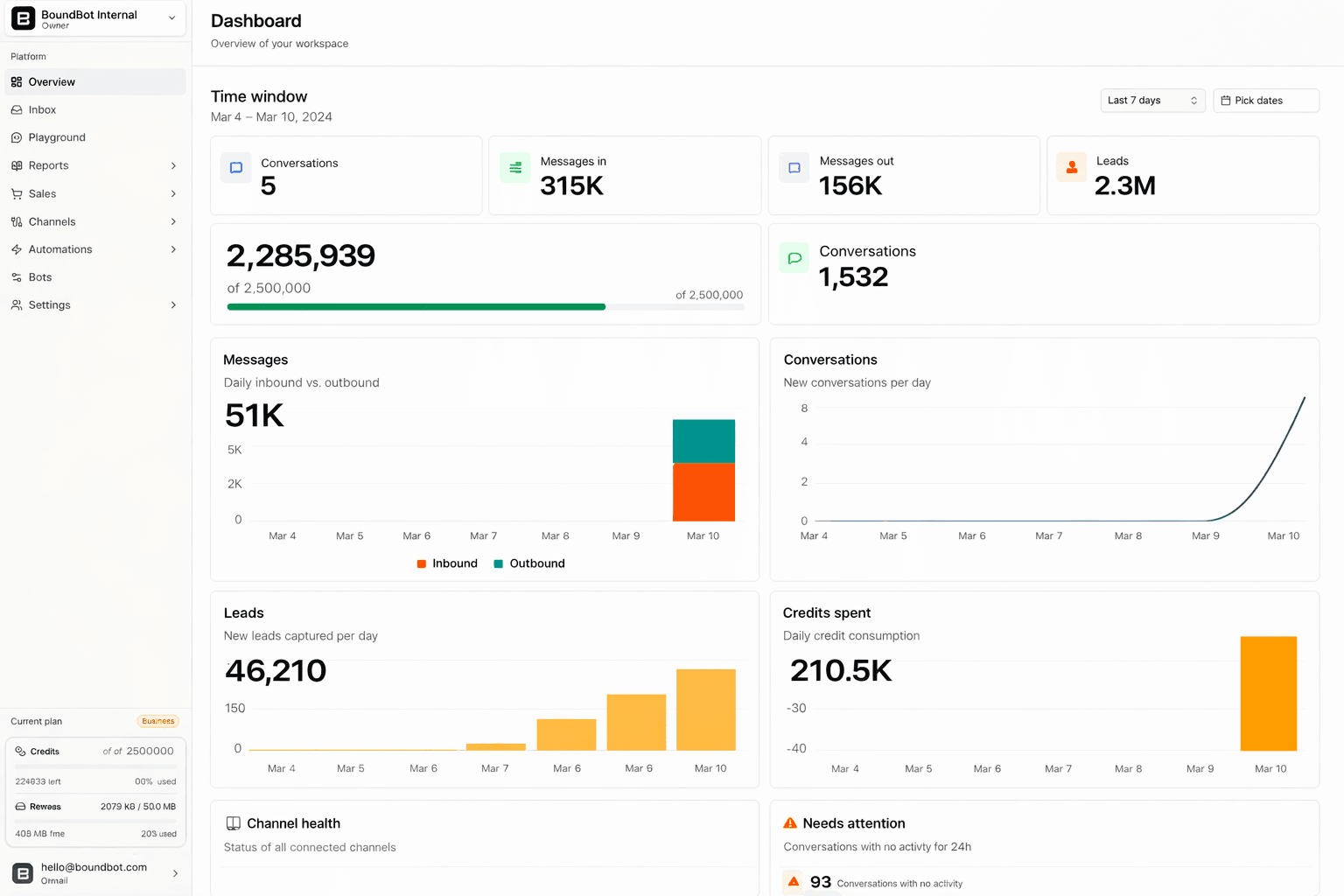
The Ultimate Guide to Chatbot Analytics | BoundBot
Step 1: Map User Intent
Understand why users visit your site. Are they browsing casually or ready to buy? Match the greeting to the specific page context. A pricing page needs a different hook than a blog post.
Step 2: Integrate First-Party Data
Connect your interface to your customer database. Recognizing a returning loyalty member instantly shifts the tone. This builds deep brand affinity and speeds up resolution times.
Step 3: Run Methodological A/B Tests
Test one variable at a time. Compare a formal tone against a casual one. Test open text fields against quick-reply buttons. Split your traffic randomly to gather statistically significant data.
Key Performance Metrics to Track
You must measure success mathematically. If you cannot track performance, you cannot improve it. Here is a breakdown of critical metrics to monitor.
Swipe to view all columns →
| Metric | Poor Performance | Optimized Performance |
|---|---|---|
| Engagement Rate | Below 25% | 25% – 35%+ |
| First Contact Resolution | Below 65% | 65% – 80% |
| Customer Satisfaction (CSAT) | Below 70% | 70% – 85% |
| Human Takeover Rate | Premature escalation | Balanced (Around 32%) |
Conclusion
Setting up an AI Chatbot for your Website engagement is useless if your first message drives visitors away. Many businesses struggle with high bounce rates because their automated assistants use generic, robotic greetings. This creates instant friction and frustrates potential customers who want immediate, relevant help. In this comprehensive guide, we break down how to craft the perfect welcome message. You will learn the exact psychological triggers, industry-specific templates, and testing frameworks needed to turn a simple greeting into a powerful conversion tool. Let us fix your chat experience and boost your sales today.
If you are planning to implement an AI chatbot for your website, you should also read our guide on AI Agents vs Chatbots: The Future of Support.
If you are looking for best ai chatbot features, you should check our features on BoundBot Features.
Frequently Asked Questions (FAQ)
How long should a chatbot welcome message be? Keep it under three short sentences. Users want quick answers and clear directions, not a novel.
Should my bot pretend to be human? No. Transparency builds trust. Always clarify that the user is speaking with an automated assistant to manage expectations.
How often should I update the greeting? Review your performance metrics monthly. Update the messaging based on seasonal promotions, new product launches, or recent A/B test results.
Do emojis help or hurt engagement? It depends on your industry. Emojis work well for retail and education but should be avoided in healthcare or legal services.
LAUNCH THE AGENT. KEEP THE HUMAN CONTROL.
START FREE, CONNECT A CHANNEL, AND SHIP YOUR FIRST BOUNDBOT IN MINUTES.